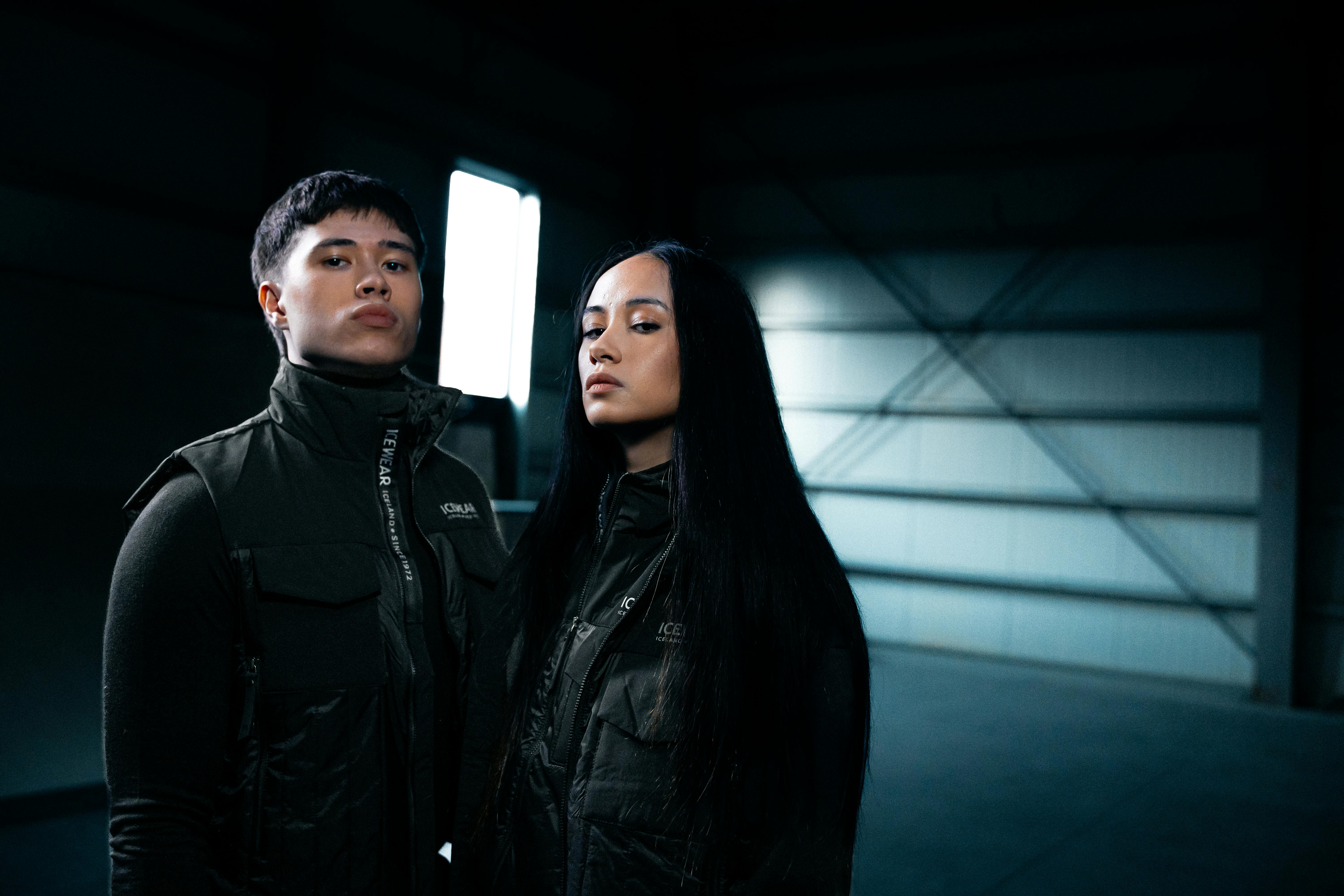
Is Iceland dark for 6 months in wintertime? Short days during winter
It’s normal to want to feel worldly and to share nuggets of acquired information with friends and family. It’s sometimes surprising in adulthood to recall and share information remembered from secondary school geography. Of course, these days if there’s any fact checking to do, we have Google.
When you’re planning a trip, especially overseas to somewhere new, it’s important to check facts with reliable current sources. It’s also a good practice that you can share to help others before they go travelling too. Checking to ensure you’re prepared for your destination or to browse information to pass on is always time well spent before travelling to Iceland.
For instance, it’s a common notion to believe that Iceland endures months of complete darkness, some people think that’s the case for up to 6 months of the year.
The belief stems from Iceland’s geographical location along the arctic circle. Something that means some people from overseas think that the sun sets one day and six months of darkness unfold. Whilst Iceland winter days are darker than in the UK that idea isn’t quite right. Yes, Iceland does have extremely short days during the winter, but how short and for how long might surprise you.
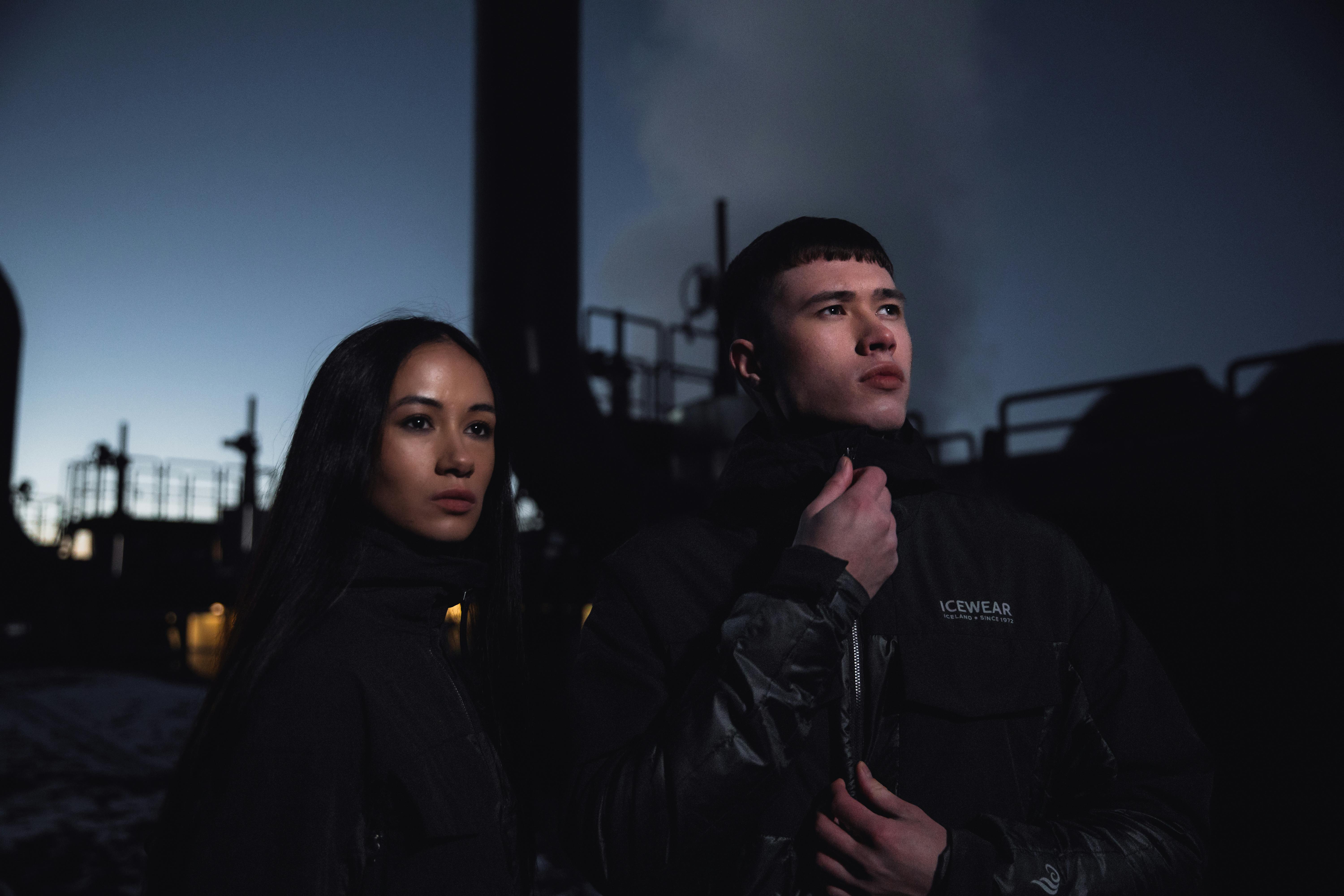
How long does the darkness last in Iceland?
It’s a common question Icelanders get asked:
“How long does it stay dark in Iceland during winter?”
Iceland natives answer by patiently explaining how long it stays dark each day and how long the season of shorter days lasts. Here are the facts about Iceland winter daylight hours:
Iceland daylight hours in the wintertime are as low as four hours per day - from roughly 11am to 3pm, but the days begin to lengthen after the winter solstice.
The question “How dark does it get in Iceland” is best answered by rephrasing the question to
“How bright does it get when there is sun in Iceland?”
The sun does come up during the winter in Iceland. Then when it’s reflected off the snow it can be brilliantly white and increases the brightness and beauty. In Iceland winter hours of sunlight are especially enjoyed by both locals and visitors because of this sudden bright whiteness that seems to touch everything all around. Wearing a good pair of sunglasses and a peaked hat is essential or you’ll be blinking hard in the bright white environment, in fact a baseball cap and good sunglasses are essential items to pack when visiting Iceland during the shorter winter days.
The daylight hours during winter in Iceland decrease by the month until the solstice when the trend is reversed and the days gradually grow longer. Iceland has the opposite experience, during the summer, with up to 22 hours of sunlight per day. In the same way these summer sunlight hours gradually increase up to what is known as the “midnight sun”. This longer daylight hours season runs from May to August with the peak length of daylight hours being around the summer solstice on 21st June. The sun never fully sets between May and August so that it hardly gets dark at all during these months. The long summer days may be where the confusion about winter darkness stems from.
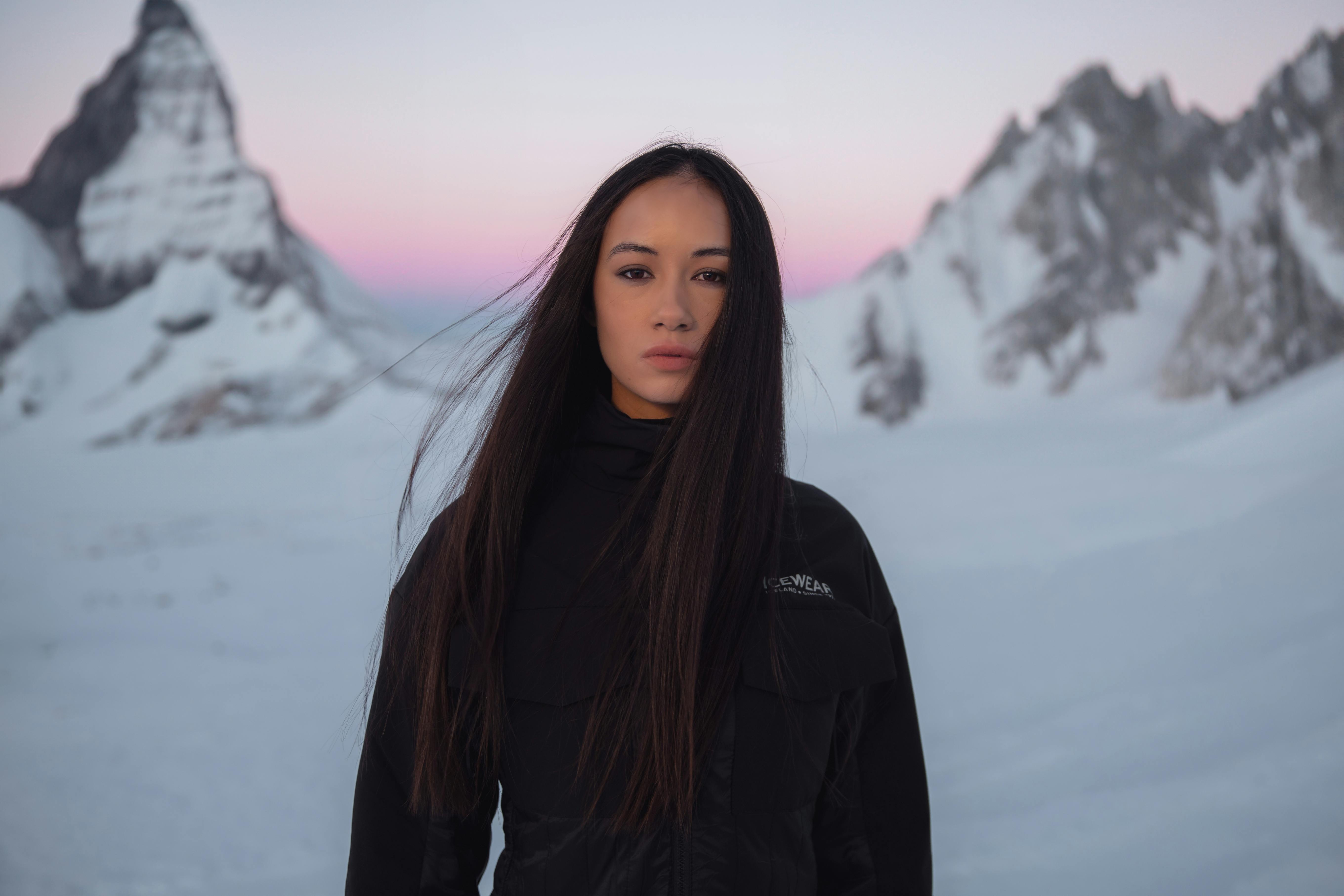
Can you travel to Iceland in the winter?
Oh yes, you can most definitely travel to Iceland during the winter. It’s a great opportunity to see the Northern Lights or go skiing. People ask, “When is the best time to visit Iceland, though?” The long answer is it depends on which of the many available activities you want to partake in when visiting Iceland. Iceland is a great destination for adventure, exploring and outdoor activities. It all depends on why you’ve chosen Iceland and the answer for many people could likely be to visit Iceland during the winter.
A winter trip to see the Northern Lights is a popular travel option. Much of Iceland is rural and offers low light pollution meaning that the night sky is dark enough to really appreciate the phenomenon that is also enhanced by the geographical location of Iceland. Of course, the dark winter nights are cold so to get the best out of watching the dancing lights in Iceland you’ll want to dress to keep warm and good a base layer including long johns is essential. You’ll be enthralled by the beauty and be standing outside for long lengths of time.
During the winter you can also see what’s known as the "Arctic golden hour" during the winter.
Because Iceland is situated on the Arctic circle, Iceland’s sunrises and sunsets can last for almost an hour during the winter. It’s something that is enhanced by the darkness of the season, and the golden glow as the sun lowers accentuates all colours and elongates shadows creating a dramatic effect creating a scene that you will never forget. It’s when the sun is low on the horizon that you’ll need your cap and sunglasses again.
There are various natural locations and tourist attractions that offer interest during any season that offer adventure during the winter. It’s a good idea to start your search by reading planning your trip to Iceland to plan the dates of your first trip to Iceland. Summer and winter offer different experiences when visiting Iceland, so it depends on your priorities of what you most want to experience. Hiking and camping are big summer activities, and you can still enjoy cross-country hiking all over the country during the winter too. Remember, there is still daylight in Iceland during the winter, after all, just shorter windows of light.
Whatever activities you choose during the winter in Iceland, it’s important to dress warmly when the sun has gone down. Icelanders have developed efficient clothing systems over the centuries, and it’s at night in winter that you can most acutely feel why.
Whenever you decide to visit, remember that Iceland does not have any 100% dark days, that’s an incorrect assumption. You just need to ensure that you adjust your clothing accordingly with the season and time of day when ever you visit Iceland. Oh, and don’t forget the sunglasses and peaked hat.
More blog posts

December 2025
Icewear Nominated as One of Iceland’s Leading Brands
Recognition from brandr highlights Icewear’s strategic brand approach celebrating Icelandic identity and product excellence.
Read more
January 2025
Iceland population and the celebration of Bóndadagur
The Icelandic holiday, Bóndadagur is a day devoted to celebrating and to pamper your loved one. The traditions around this holiday have certainly changed since Norse settlers arrived in the country.
Read more
January 2025
Winter Workout Essentials; clothing and best practices
Because the new year takes place during the winter in the northern hemisphere, when you start following your resolutions it will be during cold and wet weather. Weather affects your body, so your body will react differently in the winter to the summer months.
Read more