
The Nordic Christmas sweater (and other Icelandic holiday traditions)
Christmas celebrations are as diverse as the communities they belong to. Around the world, what some folks think of as “standard” Christmas traditions are actually specific to their corner of the world.
For example, if you live in a part of the world with a snowy Christmas, can you imagine what Christmas is like in South America where summer is kicking off?
Or if you live in a place where Christmas is celebrated on December 25th, can you imagine celebrating it on January 6th like people do in Spain and in most of East Africa?
Better yet, can you imagine what an Icelandic Christmas might look like? Would you even know where to start?
Through the mix of cultural, religious, and folkloric beliefs in the backdrop of the country's history, Christmastime in Iceland has its own unique look and feel. Iceland does provide the Hollywood-standard “white Christmas” with snow and cold, but the similarities stop there.

From traditional Nordic Christmas sweaters to the ugly Christmas sweater#
Christmastime continues to evolve everywhere it’s celebrated, too. Did you know that the Christmas tree considered “standard” to many people today originated in Germany, and was only adopted elsewhere about 150 years ago?
As for Christmas sweater traditions, in Iceland (and especially at Icewear) there’s plenty to see in traditional Christmas sweaters. Icewear wool sweaters are ideal as holiday gifts, and for more reasons than you’d ever think. More on that in the next section.
And even in Iceland (a country known for its beautiful lopapeysa pattern sweaters and traditional Nordic designs), the “ugly Christmas sweater” tradition has gained popularity in recent years. You’ll find some truly ugly sweaters showing up in shops in Iceland thanks to foreign influence. They continue to be a growing novelty.
A traditional Nordic Christmas sweater offers a different take on festive fashion. Rather than relying on novelty slogans or exaggerated holiday imagery, Nordic knitwear features intricate geometric patterns, snowflakes, stars or reindeer. These designs capture the spirit of Christmas while remaining suitable for everyday winter wear.
For a look at a more traditional Icelandic Christmas examples, keep on reading.
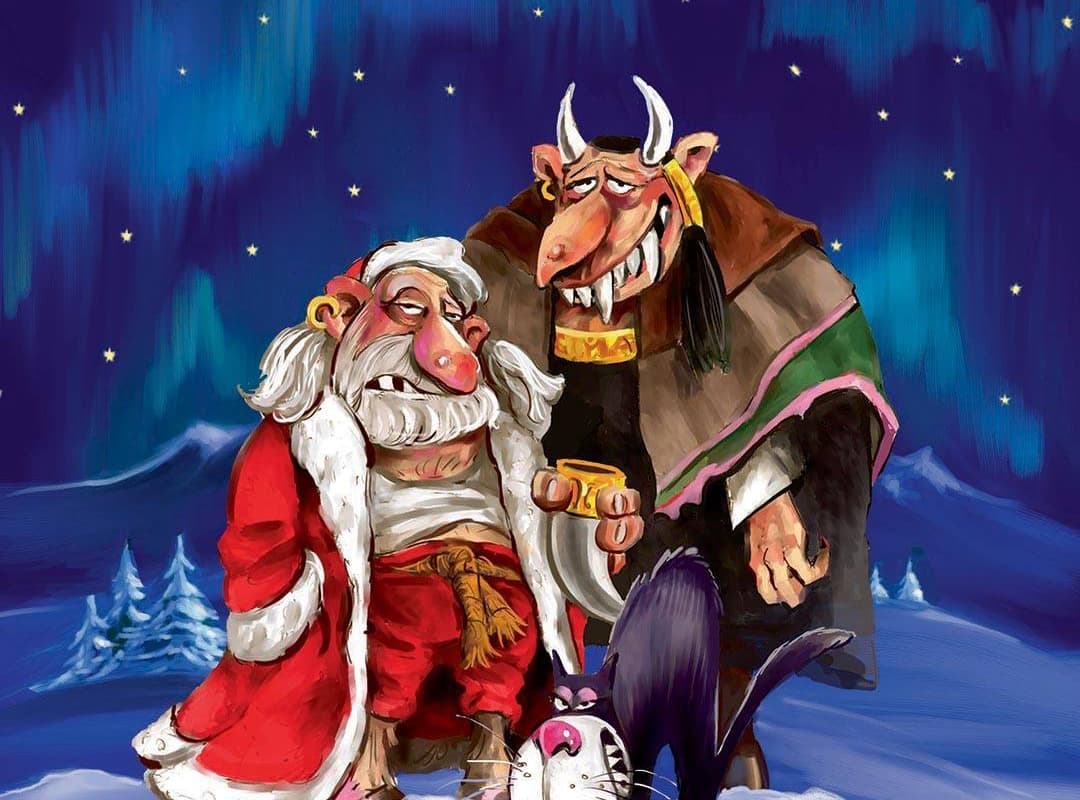
Icelandic Christmas traditions: 13 Santas and a big, ugly cat#
The most fun you’ll have learning about Icelandic Christmas traditions will come from food and folklore. Icelanders have a tremendous folkloric element in their Christmas celebrations, and their countless myths and narratives make the holidays all the more charming.
For starters, instead of the one-man-does-all Santa Claus that many countries recognize, Icelandic folklore says there are 13 Yule Lads as well as one Yule Cat (the "Jólaköttur"), all of whom play roles in gift giving during Christmas. Here's how it works:
One of the Yule Lads visits children every night between December 11th through the 24th, alwyas leaving either a sweet or a potato, depending on the child's behavior. All the while, Jólaköttur the Yule Cat lurks and will eat anyone who hasn't received an article of clothing as a gift before Christmas Eve.

As for Christmas stockings, that’s handled differently in Iceland, too. Children place shoes, not socks, on their windowsills before they go to bed. This is where the Yule Lads place sweets (or potatoes).
With multiple Santas and a natural countdown to gift everyone you love a piece of clothing before Christmas Eve, it’s safe to say that the yuletide spirit is rich in tradition in Iceland. The whole month of December is filled with festivities, fun and games, all of which are worth learning more about.
Icelandic Christmas calendar#
Icelanders tend to go all-out during Christmas with activities and celebrations, starting four Sundays before Christmas Eve. The Advent calendar often starts before the end of November.
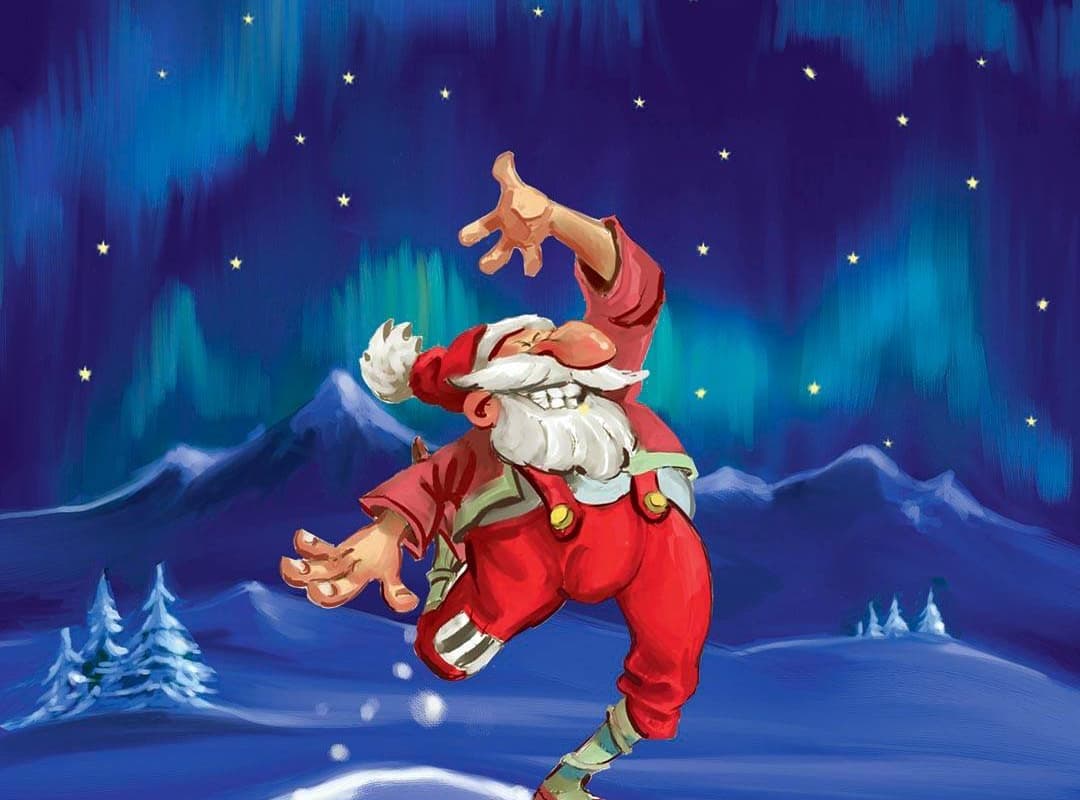
While preparations and traditions differ home-to-home, this is the widely celebrated Christmastime calendar in Iceland:
Four Sundays before Christmas Eve is the first day of Advent
On December 11th, the 13 Yule Lads begin visiting children each night, and other holiday mischief ensues
December 21st is the winter solstice, the shortest day of the year (when Christmas lights seem to burn brightest)
On the night of December 24th, the Yule Cat nabs anyone who hasn’t received a new article of clothing yet
It’s also traditionally on Christmas Eve that gifts are opened
On December 24th, Christmas dinners in Iceland start promptly at 6pm; some families gather at churches and others are ready to serve dinner at home right after the ringing of a bell and many hugs and “merry Christmases” passed around
The second day of Christmas is called jóladagur, which is when many households eat “hangikjöt” (smoked lamb) which is traditionally served with “jafningur” (a béchamel sauce)
Christmas spirit carries on through New Year’s Day; after the glorious fireworks following midnight on December 31st, January 6th marks the departure of the last Yule Lad and even more fireworks around Reykjavik, Iceland’s capital city


Traditional Christmas food in Iceland#
One of the most common questions Icelanders ask one another in the weeks and days before Christmas is, “what are you having for dinner?”
Traditionally, “hamborgarhryggur” (which has nothing to do with hamburger, it’s actually smoked pork) is served for dinner on December 24th, accompanied by dishes of smoked lamb, peas, corn, cabbage, beans, gravy, jam and more. A thin-crusted and beautifully decorated bread called “laufabrauð” is also traditional.
A newer vegetarian alternative with nuts called “hnetusteik” has grown popular to replace hamborgarhryggur in some homes, too.
Of course, you’ll also find a myriad of sweets gracing Icelandic tables.


Popular Icelandic gifts and gift-giving traditions#
Some of the most popular gifts given in Iceland are warm clothing articles, especially traditional pieces made with Icelandic wool. These garments are as much to stave off the Yule Cat as they are a response to the cold weather.
Other popular Christmas gifts include wool blankets, books, and tasty Icelandic treats.

Warm and wooly sweaters are also considered part of the traditional holiday dress code. People generally dress rather formally for Christmas, sometimes even wearing suits. When it’s time to head out for an activity (more on that next), it’s easy to throw a sweater on right over suits and then bundle up in a top-layer parka.
Most households give gifts late on December 24th after the traditional meal. Waiting until late at night on the 24th to open gifts can be hard for some kids, but once the gift distribution begins, the waiting is always worth it.
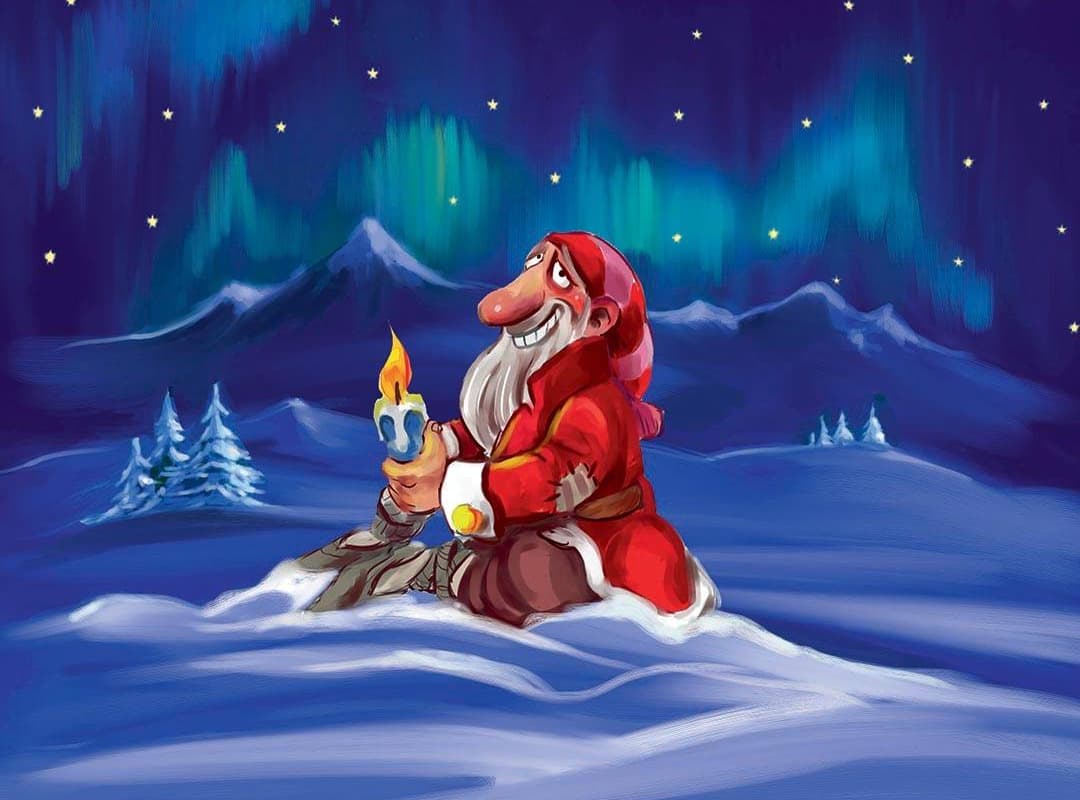
A quick lesson on gift giving in Icelandic#
Did you know that names change in Icelandic based on whether they’re “to” that person or “from” that person? Reading gift tags is second nature to a native speaker but can cause confusion for others.
For example, “Egill” is a common name in Icelandic. If it’s Egill who’s giving you a present, the tag reads “Agli,” but if you’re giving Egill the present, it’s “Egils.”
Going out in Iceland during Christmastime#
December also kicks off a great deal of time off with holiday closures of local offices, allowing families and friends to spend more time together.
Along with decorating homes and Christmas trees (many of which are imported since Iceland is not a heavily forested country), the darkest winter days leading up to Christmas are an opportunity to admire the Northern Lights that cast beautiful scenes in the night sky.
Granted, snowfall and road closures can make getting to some viewing points difficult. Wherever someone ultimately views the Northern Lights in Iceland, extended time outdoors is required, meaning admirers dress accordingly.
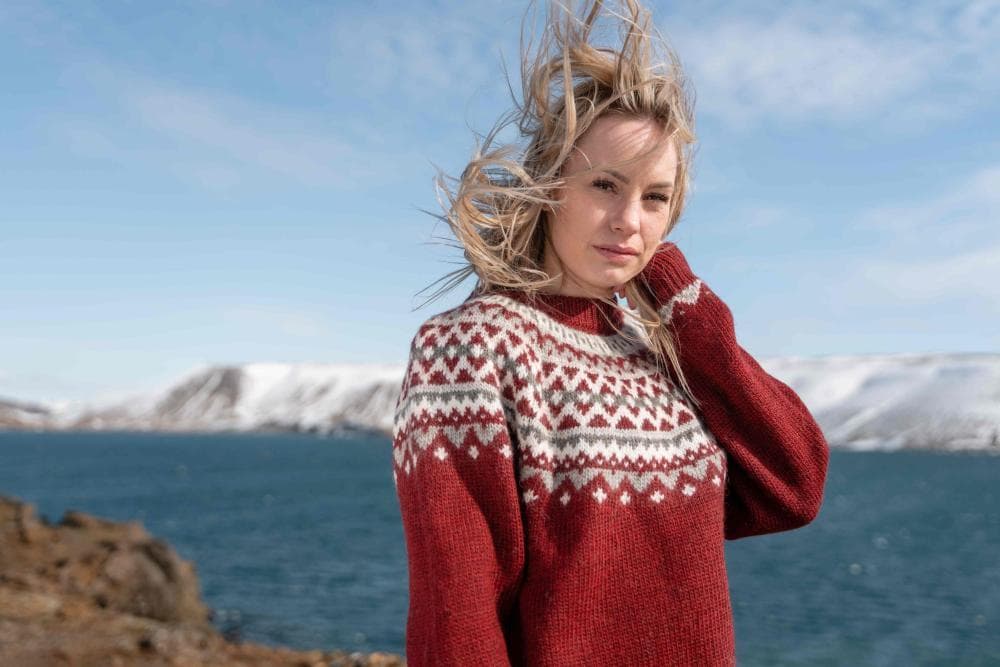
Cue: ugly sweaters. Or traditional Icelandic wool sweaters. Or your favorite Nordic sweaters. Whatever you choose, it should be made of wool, and it should be part of a greater layering system. Long Johns, for instance, are indispensable.
Sometimes, families visit a cemetery on Christmas. In those cases, everyone is equally prepared with their wool sweaters that they can pull right on over their dresses or suits, before wrapping up in their parkas and heading into the night. It’s also popular for adults and children to slip into snowsuits on these occasions.
Throughout Advent, there are also numerous options for entertainment, especially in Reykjavik, starting with dozens of holiday concerts.
The snowfall over Christmas is sometimes heavy enough that the airport is temporarily closed. Icelandic pilots are masters of flying in difficult conditions, but once or twice each winter airfare will be stopped. Coupled with occasional road closures, Icelanders are accustomed to checking conditions and forecasts before going to their “sumarbústaður” (“summer cabin”) to enjoy the extra holiday time off.

Iceland is a cultural treasure in many ways, and in every season. Christmas in Iceland is an example of fascinating folklore mixed with delicious food and a Christmas spirit that lasts more than a month. Make warm woolen clothing part of your Christmas gear this year in honor of the Icelandic Christmas traditions, starting with this cold weather clothing guide to stay warm, wherever you are.
More blog posts

Icewear opens new stores in Stykkishólmur and Seyðisfjörður
With new stores open in Stykkishólmur and Seyðisfjörður, you can get the gear you need and the gifts to take the memories home with you.
Read more

Friendship bracelet patterns: 20 cute designs (step-by-step)
Threaded friendship bracelets, also known as string bracelets or friendship bracelets, give you endless pattern options to express yourself and have fun. From beginner to advanced levels, learn all about friendship bracelet patterns here.
Read more

How to make friendship bracelets: Step-by-step beginner guide
Learn how to make friendship bracelets with Icewear’s beginner-friendly guide explaining materials, basic knots, techniques and common mistakes.
Read more