
Wild horses in Iceland: Icelandic horses truly are the original Viking horse breed
People are not surprised to see an article about Icelandic sheep. They’ve been bred in isolation for a millennium, and have developed a unique wool, recognised worldwide for its unique characteristics.
But what about the Icelandic horse? Have you ever read anything about how Icelandic horses are used? You may wonder which other Icelandic horse facts are worth knowing about too?
Due to its gentle nature and wonderful personality, the Icelandic horse has earned love and respect throughout the world. Their adorable, friendly face is hard to resist, and they give a comfortable ride like no other breed which is partly due to their low height. Icelandic horses are sturdily built with an average height of between 13 and 14 hands, these attributes contribute to their comfortable ride.
The origin of Icelandic horses: Another story of isolation#
Icelandic horses are the original Viking horse breed. They were brought to Iceland by the Vikings in the 9th and 10th centuries, during the era of the most expansive Viking exploration and conquest.
Since then, Icelandic horses have been the only breed of horses in Iceland for over 1,100 years. Just like Icelandic sheep, Icelandic horses have been bred in isolation, rendering them genetically unique.
Today, the import of any other horses (or other livestock) to Iceland is forbidden due to the risk of introducing new disease to the animals there. That also means that, once an Icelandic horse leaves Iceland, it can’t come back. For this reason, anyone travelling to Iceland, will have all their horse riding gear like riding boots and hats disinfected.

Wild Icelandic horses#
In the summertime, thousands of Icelandic horses roam free in the mountains from the farms scattered across the country. The horses are then brought down to the lowlands in the autumn during the famous horse roundups, that’s like the annual Réttir for sheep.
So, what are Icelandic horses used for? This versatile breed is used for a wide array of activities, including leisure riding, competitive sports, and traditional sheep herding. Their strong and sure-footed nature makes them ideal for traversing Iceland's rugged terrain, from volcanoes to glaciers. After all, they’ve had over a millennia to adapt to Iceland’s specific environment.
Icelandic horses have a long lifespan, it’s usual to still be riding them long into their twenties. One Icelandic mare that lived in Denmark is known to have lived to the age of 57. They’re beloved easily managed companions due to their longevity, robust health and gentle temperament.
The Icelandic horse tölt#
The Icelandic horse is a gaited breed, which means that in addition to the typical gaits that all horses have (walk, trot, and canter), the most notable trait of the Icelandic horse is its “tölt.” The tölt is a unique and smooth four-beat gait where the horse always has one foot on the ground. Riders describe it as gliding effortlessly, almost like floating, which is why it's such a desirable trait.
Icelandic horses for sale#
The Icelandic horse is especially popular elsewhere in western Europe, Scandinavia, and North America. Of the 180,000 Icelandic horses currently registered around the world approximately 60,000 are registered in Iceland, being one third of the global Icelandic horse population. There’s roughly one horse for every four Icelanders on the island of Iceland.
Many enthusiasts from around the world seek Icelandic horses for their gentle nature and unique genetic qualities. Those interested in buying Icelandic horses usually include riding schools, private owners, and competitive riders. Purchasing an Icelandic horse involves contacting breeders or sellers directly, often through specialised websites or associations dedicated to the breed.

Stunning colors and breeds#
Icelandic horses come in a stunning variety of colours too. There are over 100 different colours and patterns recognised by the Icelandic Horse Studbook. Included are colours with names that are as eye-catching as the colours, such as:
Blue dun (a blue grey)
Silver dapple (a shimmery brown)
Buckskin (a warm, light brown)
Palomino (a blond with lighter main and tail)
Red dun (similar but softer than our strawberry roan)
Plus many more interesting and unusual colours
Breeders and enthusiasts value the wide range of specific colours and skewbald colour combinations of the Icelandic horse breed. It’s an attribute that means that each horse looks distinct adding to their beauty. This diversity adds to the appeal of Icelandic horses.
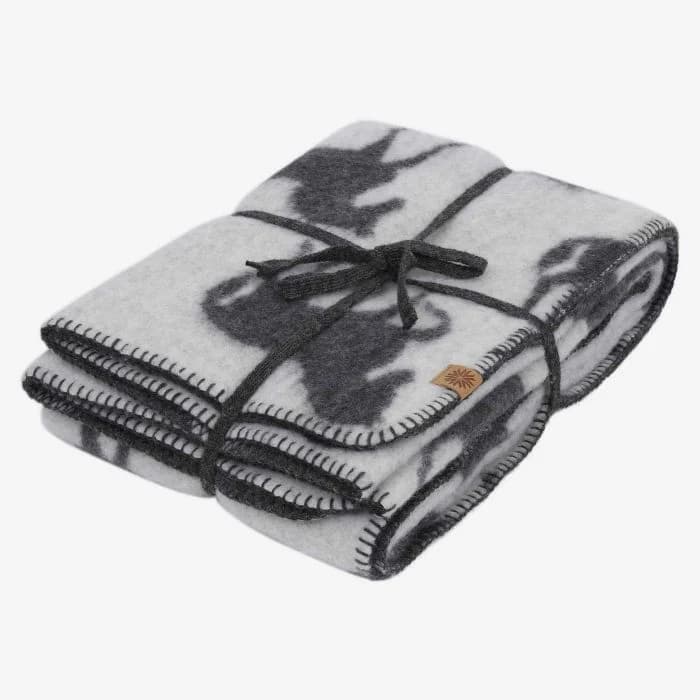
Icewear wool products with horse designs#
For those who appreciate the unique qualities of Icelandic horses, Icewear offers a range of wool blankets, sweaters and accessories featuring horse designs based on Icelandic horses. The blankets, made from the same high-quality wool as the company’s Icelandic sweaters, showcase beautiful depictions of Icelandic horses and other animals, making them a perfect keepsake or gift for enthusiasts.
If you haven’t fallen in love yet, just keep looking at pictures. The Icelandic horse is as charming as it is unique.

More blog posts

Icewear opens new stores in Stykkishólmur and Seyðisfjörður
With new stores open in Stykkishólmur and Seyðisfjörður, you can get the gear you need and the gifts to take the memories home with you.
Read more

Friendship bracelet patterns: 20 cute designs (step-by-step)
Threaded friendship bracelets, also known as string bracelets or friendship bracelets, give you endless pattern options to express yourself and have fun. From beginner to advanced levels, learn all about friendship bracelet patterns here.
Read more

How to make friendship bracelets: Step-by-step beginner guide
Learn how to make friendship bracelets with Icewear’s beginner-friendly guide explaining materials, basic knots, techniques and common mistakes.
Read more